
In the constantly evolving field of conservation science, phytosociology has emerged as an invaluable discipline, shedding light on the intricate relationships within plant communities and their environments. At Hub-Terra, we continually integrate such advanced research methods into our work to enhance our understanding and modeling of species’ habitat suitability and distribution. This post offers an exploration of the potential of phytosociology in conservation and habitat studies, providing a glimpse into some of the recent research and future challenges.
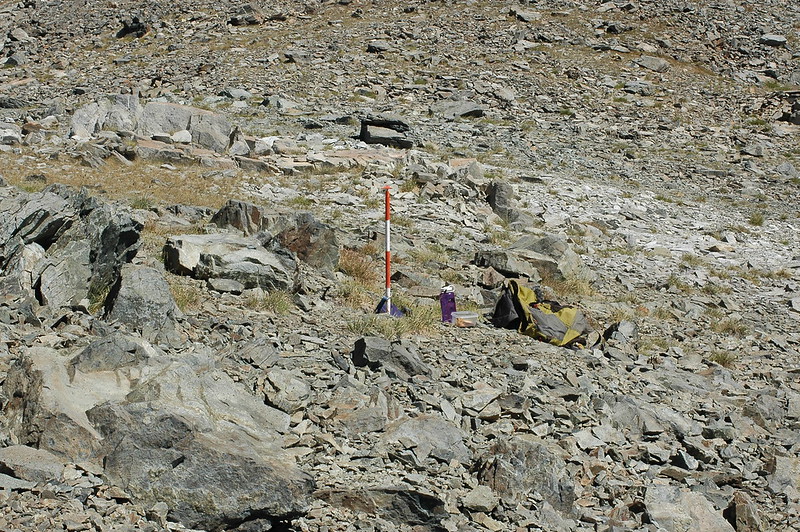
A pivotal study by Xystrakis et al. (2022) illustrates the power of a phytosociological approach in conservation status assessments. The researchers conducted extensive surveys of vegetation in a NATURA 2000 Special Area of Conservation in northern Greece. Their phytosociological approach allowed them to downscale existing regional inventories of typical species, creating a nuanced, site-specific inventory for various habitat types. This method markedly improved the accuracy of conservation status assessments and demonstrated the potential of phytosociological approaches in enhancing habitat studies.
Simultaneously, researchers are combining phytosociological data with technological advancements, opening new avenues for habitat exploration. Čahojová et al. (2022) integrated satellite image segmentation with phytosociological data to scrutinize Natura 2000 habitats in Central Slovakia. Their novel approach successfully differentiated habitats using multispectral Sentinel-2 satellite data, suggesting a more efficient way to map habitat occurrences and conditions.
Furthermore, phytosociological databases have been recognized as a valuable resource for developing Species Distribution Models (SDMs). Guidi and Foggi (2012) demonstrated how these databases can augment the predictive power of SDMs, offering a cost-effective basis for in-depth ecological analysis and conservation planning (Guidi & Foggi, 2012).
While the recent advancements underscore the potential of phytosociology in species distribution modeling, they also point toward challenges ahead. While rich in information, phytosociological data often require intricate analysis and interpretation to be used effectively in conservation science. The amalgamation of this data with other advanced techniques, such as remote sensing and species distribution modeling, requires sophisticated methods and tools. Moreover, as the complexity and volume of data grow, so does the need for robust data management strategies.
Another challenge lies in the need for global collaboration. To fully utilize the power of phytosociology in global conservation efforts, cooperation among researchers, conservationists, and policymakers from around the world is essential. This includes sharing methodologies, datasets, and findings to drive forward the development of more accurate and nuanced species distribution models.
At Hub-Terra, we are excited to tackle these challenges and embrace the opportunities that the integration of phytosociology brings. By deepening our understanding of plant communities and their interaction with their environment, we can unlock new possibilities to predict the habitat suitability of various species and refine our conservation strategies. As we move forward, we will continue to engage with cutting-edge research, evolving technologies, and collaborative efforts in the field.
Stay tuned to our blog as we keep you updated on the latest developments and breakthroughs in the exciting world of habitat research!
Xystrakis, F., Chasapis, M., Eleftheriadou, E., Samaras, D., & Theodoropoulos, K. (2022). The optimization of typical species inventory of habitat types of a NATURA 2000 site using a phytosociological approach. Plant Sociology, 59. doi: 10.3897/pls2022592/01
Čahojová, L., Ambroz, M., Jarolímek, I., Kollár, M., Mikula, K., Sibik, J., & Šibíková, M. (2022). Exploring Natura 2000 habitats by satellite image segmentation combined with phytosociological data: a case study from the Čierny Balogarea (Central Slovakia). Scientific Reports, 12. doi: 10.1038/s41598-022-23066-3
Guidi, T., & Foggi, B. (2012). Use of Phytosociological Databases for Species Distribution Models. Folia Geobot 47, 305–316. doi: 10.1007/s12224-012-9124-2
Unlock Nature’s Secrets!
Subscribe Now to Stay Ahead in Conservation Science.
 Hub-Terra